
The Hidden Costs in Your Building Contract: A Plain-English Guide
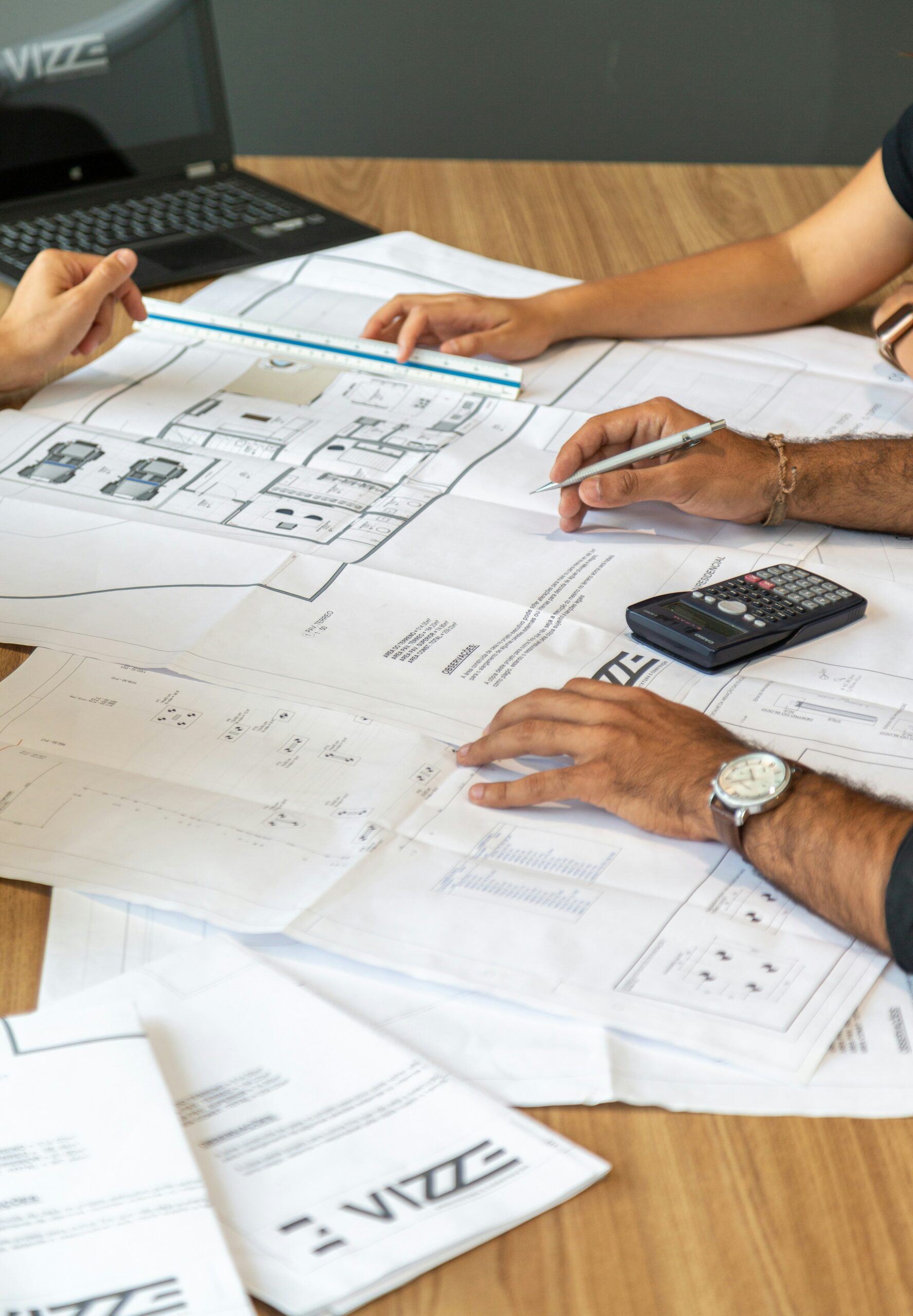
A lot of the hidden costs in a building contract are often sitting in plain sight. What may look like a small allowance, estimate or exclusion can all add up, affecting what you actually pay, even if you have a fixed-price building contract.
With more than a decade of experience in new home builds, B4U Build founder Jared Kemp understands first-hand how quickly these details can affect a project budget. This guide breaks down the terms people often miss in plain English, so you can check your contract with a clearer idea of the potential costs before you sign.
Note: This article is for general information purposes only and is not intended to be financial, legal or building advice. Costs, terms and building requirements differ throughout Australia. Independent advice should be sought before signing any contract.
Is Your Building Contract Price Really the Final Price?
Not always. Your contract price is the agreed starting point for the work described in your house plans, specifications and other contract documents. So, your building contract price may change.
Cost changes are actually quite normal when building a home. The Australian Bureau of Statistics reports around 12.5% of new residential dwellings cost more at the time of completion than was expected when construction began.
While normal, understanding what’s not included and when something may alter the price gives you a clearer picture on the end price. This is why B4U Build focuses on the total project cost, as a lower contract figure can sometimes be hiding smaller allowances or more exclusions that can impact your budget later if not identified.
What costs are not included in a building contract?
- Prime cost items, or allowances for fixtures or fittings you haven’t selected yet.
- Provisional sums, referring to estimates for work that can’t be priced accurately, such as some site work.
- Variations or changes made after the contract is signed.
- Exclusions of work, products or services not included in the contract price.
- Site costs, where expenses may be affected by the conditions and accessibility of the block.
Knowing how to read a builder’s quote and being able to check the potential cost can help you in determining a closer end cost.
| Contract Term | What it Means | How it May Affect Your Budget |
| Prime cost item | An allowance for any unselected fixtures or fittings, such as cabinetry finishes, paint, etc. | You may pay more if your selection exceeds the allowance or is listed as an exclusion. |
| Provisional sum | An estimate for any work with an uncertain cost at the time of signing, such as service connection fees, landscaping or site preparation. | The price may change when the cost of the actual work is known. |
| Variation | A change to the agreed work, such as changing the design, finishes or included appliances. | Any choices made after signing the contract may change both the price and completion date. |
| Exclusion | Something the builder is not providing, such as window furnishings or landscaping. | You may need to arrange and pay for exclusions separately. |
| Site cost | Work required because of the block, such as requiring crane access. | Difficult conditions or access can increase the cost. |
For example, a homeowner could sign a $450,000 contract believing this is their end budget, only to find out that there is another $27,000 to account for after site-cost adjustments, upgraded selections and variations. Each increase may be covered by the contract, but that combined $477,000 can still come as a shock.
B4U Build Customer Experience: Early Quotes For Clarity
Because these allowances and exclusions can push the total project cost beyond your starting contract price, it can help to establish a realistic budget expectation before you go into the contract stage. For example, getting an estimate using B4U Build helped Peter assess his borrowing capacity before progressing any further.

Peter D
B4U Build CustomerPrime Cost Items: When Your Selections Cost More Than the Allowance
Term reminder: What is a prime cost item?
A prime cost is an allowance in a builder’s contract for any fixtures and fittings that are yet to be selected or priced at the time of signing the contract. This can be common when you have yet to decide on a specific feature or appliance or the retail price couldn’t be confirmed in time.
When you’re building a home, you have to make thousands of choices. Sometimes, this can get overwhelming. To not delay the process, the builder may proceed with their quote and contract, marking any undecided fittings or appliances as a prime cost item, allocating an allowance for your decided choice.
Common prime cost items include:
- Tiles, carpet and flooring.
- Tapware and bathroom fittings.
- Toilets, baths and basins.
- Kitchen appliances, such as ovens.
- Door furniture and handles.
B4U Build also recommends checking each allowance against the standard of product you feel you’d be likely to choose, such as entry-level versus high-end product, rather than treating the listed figure as the likely final cost.
How to Check a Prime Cost Allowance
An allowance is not always a prediction of what you’ll spend. You can choose something that’s within the allowance or a type, quantity or quality that goes over your allowance, which is when your contract price would be higher.
To check your prime cost allowance, Consumer Affairs Victoria recommends specifying the make, model, colour and style of fixtures and fittings wherever possible. Making selections early can also help reduce the number of building contract allowances in your contract.
Provisional Sums: Estimated Costs That Can Change
Term reminder: What is a provisional sum in a building contract?
Provisional sums in a building contract are estimated allowances for any specific work or labour that can’t be confirmed accurately when the contract is signed.
While a prime cost covers any unknowns around products, a provisional sum usually adds an allowance for any unknown labour and materials. It’s often due to the unknowns of a site before excavation, including work around:
- Excavation and earthworks.
- Rock removal.
- Foundation work.
- Drainage.
- Repairing concealed damage during a renovation.
For example, if your contract has a provisional sum of $12,000 but the completed work costs $17,700, the contract may allow for the difference to be added to your total cost. If the work costs less, then your price may be reduced.
For B4U Build, the figure shown is just an estimate with the actual reliability of a provisional sum depending on the reports, investigations and assumptions that back it.
Checking Your Provisional Sums Allowance
When you notice a provisional sum in your contract, ask your builder what information was used to calculate the allowance. Soil reports, engineering details and site investigations can make some estimates more reliable, but may not predict everything.
Due to the potential impact on your final cost, Consumer Affairs Victoria advises homeowners should minimise any unspecific price costs and provisional sums wherever they can.
B4U Build Tip: Make Sure Allowances Are Reasonable
“An allowance cost in your building contract is only useful if it actually reflects what you’re likely to select or what the work is reasonably expected to cost. Even if it’s named, you want to make sure you understand how the builder calculated the allowance to make sure you understand if it covers entry-level selections or average work costs, or potentially more premium finishes.”

Jared Kemp
B4U Build FounderVariations: Small Changes Can Add Up Quickly
Term reminder: What is a variation in a building contract?
Building contract variations are changes made to agreed plans, specifications or the scope of work outlined in the contract after the contract has been signed.
Maybe you changed your mind about the taps you want in the bathrooms. Or perhaps there is a shortage of the tiles you originally wanted so the builder recommends changing the selection to not delay the build. This is a variation. And either the homeowner or the builder can make them for different reasons.
The Australian Government’s YourHome resource even says variations to the contract are common, even when detailed planning has taken place, including requests to:
- Change a product or finish.
- Add lighting or power points.
- Move a wall, door or window.
- Upgrade cabinetry or appliances.
- Add work that wasn’t included in the original plans.
Variations may also happen because of the site conditions, to meet approval requirements or if issues are found during construction. Who is responsible for covering the cost depends on the circumstances and your contract terms.
From B4U Build’s 20+ years of construction experience, we recommend tracking every approved variation against the running project total to give you an idea of all the changes, not just one seemingly small variation.

How to Help Avoid Variations & What to Do if They Happen
Planning and deciding on the design, scope and selections earlier can help you not only avoid variations but also some costly mistakes when building a home. However, things do happen.
If a variation is required, ask for the change to the price, scope and expected completion date in writing before you approve anything. Then, look at the total of all the variations rather than treating them as one isolated amount. Each state has their own requirements for contract variations, including the Consumer Affairs Victoria’s contract variation guidance.
B4U Build Tip: Look at Variations as a Whole to Understand Your End Cost
“One variation may look manageable on its own. However, once changes to materials, labour and the construction schedule start to stack up, the budget pressure can start to build. Having an estimate before you go into your contract can help you potentially prepare for some of these sometimes unexpected costs.”
Jared Kemp
B4U Build FounderWhat’s Actually Excluded From the Contract?
Knowing your building contract exclusions, i.e. what your building contract doesn’t cover, can help you properly budget for your new home. They’re not automatically hidden charges, but they do need to be included in your overall budget.
Exclusions commonly include:
- External works, such as landscaping, fencing, retaining walls and letter boxes.
- Fixtures and furnishings, such as window coverings.
- Services, including electricity, gas, water, internet or sewer connections beyond nominated points.
- Professional services for design changes, engineering or surveying.
- Site-related work, such as demolition, tree removal or asbestos removal on knockdown rebuilds.
Because homeowners may still have to arrange and pay for them separately, B4U Build treats them as part of the total project budget.
Always ask for a clear list of exclusions before signing your contract. If you’re not sure on something, always confirm so you can account for it in your total budget.

Site Costs and Conditions That Can Impact Your Build Price
Site costs are one of the common factors that affect building costs. As it covers work required to prepare the block and adapt the home to its conditions, the extent of work needed isn’t always known until the construction starts. It can be affected by:
- Soil classification and footing requirements.
- Rock or unstable ground.
- The slope of the block.
- Drainage and retaining requirements.
- Bushfire, flood or coastal conditions.
- Restricted machinery or delivery access.
- Existing buildings, trees and underground services.
B4U Build recommends looking at exactly how much site information has informed an allowance. Confirming soil testing, feature surveys and engineering have been performed before the contract is finalised can help get a more accurate price.
Other Costs Homeowners Can Overlook
Some costs not included in a building contract. However, they may still affect the total project budget. Which costs apply depend on your project type, including a new build, knockdown rebuild or renovation. However, these expenses can easily be overlooked because they may not actually appear in the building contract itself.
Some of these often overlooked costs include:
- Consultant and approval costs for architects, designers, engineers, surveyors, permits and inspections.
- Living arrangements, such as if you need temporary accommodation or storage.
- Finance costs covering loan interest, valuation costs and holding costs.
- Excluded completion items, such as landscaping, fencing, some appliances and furniture.
- Moving and connections, factoring in removalists, internet and utility account charges.
B4U Build looks at more than just the builder’s own scope because how much it costs to build a house also includes the wider expenses involved in finishing the project and moving in. Progress payments for a new build may also affect when you need to have funds available.
B4U Build Customer Experience: Itemising an Estimate
Having an itemised estimate can help you see how different parts of the project budget together. For Dean, B4U Build provided an affordable way to estimate his build.
Dean Bodle
B4U Build Customer
Can a builder increase the contract price? What to Check Before You Sign Your Building Contract
Yes, when it’s in the contract terms, a builder can increase the contract price. This may leave you asking, what should I check before signing a building contract?
Use this handy checklist before you sign a building contract to help you cover your bases:
- Scope, confirming the work is described clearly and matches the home you expect.
- Allowances, reviewing every prime cost item and provisional sum, including how it was calculated and how any adjustments will be charged.
- Selections, including the exact product, model, finish, size and quantity where possible.
- Exclusions, identifying which external works, service connections, approvals and completion items you’ll need to arrange for yourself.
- Price changes, understanding the process for variations, site-cost adjustments and other increases that may be permitted.
- Payments, checking the deposit, progress payment stages and their amounts.
Make sure any clarifications or agreement amendments are always in writing.
B4U Build Tip: Finding The Hidden Costs in Fixed-Price Contracts
“Just because you have a fixed-price label doesn’t mean every part of the project is finalised. Feeling confident in the end price comes from having clearly defined work, realistic allowances and detailed selections.”
Jared Kemp
B4U Build FounderKnow the Real Cost Before You Commit
Once you start looking beyond the headline price, it gets easier to spot the hidden costs in a building contract, such as confirmed, estimated, changeable or excluded expenses. That distinction gives you a more realistic project budget, even with a fixed-price building contract.
Get an itemised project cost estimate with B4U Build’s pricing tool before approaching a builder or committing to a house design. It will give you a clear starting point, also helping you to review allowances, exclusions and the total project budget, just as it has for 15,000 homeowners, including Danielle.