
10 Costly Mistakes Australians Make When Building a Home
Key Takeaways:
- Planning ahead reduces costly variations. Lock in your design early, communicate in writing, and maintain a contingency budget.What you can do
- The contract price isn’t the total cost. Budget for site costs, permits, landscaping, and other excluded expenses.
- Most costly mistakes happen before you build. Land selection, builder choice, and contract review have the biggest financial impact.
- Independent advice saves money. Compare quotes, understand provisional sums, and seek legal review before signing.
Note: Cost figures are estimates based on 2026 market conditions and vary by location, site conditions, builder, and specifications. Always seek independent legal and financial advice before signing a contract.
Building a home is one of the biggest financial decisions most Australians will ever make. Yet what begins as an exciting project can quickly become stressful when unexpected site costs, contract clauses, delays, and variations start adding thousands of dollars to the budget.
The reality is that most Australians make mistakes when building a house. Especially the first time. This can often happen because of a lack of knowledge, misunderstood contracts, or prioritising the wrong aspects of a build.
As experts, we’ve prepared 10 costly mistakes Australians make when in the home-building process, and what you can do to avoid any expensive surprises.
Mistake 1: Confusing the contract price with the total cost
One of the most common mistakes is assuming the contract price represents the total project cost. In reality, home builders often advertise base prices that exclude variable expenses such as site works, council fees, landscaping, flooring, and variations. If homeowners don’t independently budget, these costs end up surprising them later.

Jared Kemp
Building Manager and Director of RedKem Constructions| Items often excluded from contract price | Typical cost range (Australia, 2026) |
| Site costs (clearing, excavation, retaining walls) | $15,000–$50,000 |
| Council fees and planning permits | $2,000–$10,000 |
| Landscaping, driveway, fencing | $15,000–$50,000 |
| Floor coverings (areas not in contract) | $5,000–$20,000 |
| Window furnishings/blinds | $5,000–$10,000 |
What you can do
- Make a list of all inclusions and possible exclusions from the contract.
- Build a full “whole-of-project” budget (not just build price).
- Use a cost estimation tool while reviewing the contract.
Mistake 2: Buying land without understanding soil conditions
It’s common for a block of land to appear cheaper upfront, but soil conditions can increase building costs. Different types of soil have different load-bearing capacities, which directly impacts the structural integrity of your build. For example, highly reactive clay is prone to ground movement and would require deeper footings and stronger slabs, which can be three to four times higher than standard conditions.
Jared Kemp
Building Manager and Director of RedKem ConstructionsWhat you can do
- Ask the council if a soil test is already on record before you make an offer.
- Commission a soil test directly before or immediately after exchange, not after signing unconditionally.
- Never sign an unconditional land contract before obtaining a soil test. If a soil test is pending, make the offer subject to a satisfactory soil classification result.
Mistake 3: Choosing a builder based on price alone
The cheapest quote from a builder doesn’t automatically mean an affordable home. What may look like savings often leads to higher costs in contingencies or renovations in the future .
Jared Kemp
Building Manager and Director of RedKem ConstructionsWhat you can do
- Get at least 3 detailed quotes based on identical plans and specifications. These will help you choose the right builder.
- Be wary of any quote more than 15–20% below other quotes. This is often a clear sign of low provisional sums or missing line items, not a better deal.
- Use B4U Build’s construction cost estimator to establish an independent benchmark, so you can identify quotes that are unrealistically low.
Mistake 4: Not understanding Provisional Sums (PS)
A Provisional Sum (PS) is a budget estimate included in your contract for work that cannot be accurately priced at the time the contract is signed. These include landscaping, excavation, and electrical/plumbing work. In Building contracts, builders often set low provisional sums. By the time work begins, the homeowner is contractually obligated to pay the actual cost. For more information, read our guide on how this is a homeowner’s biggest mistake when it comes to builders’ quotes.
Here are some examples of PS items, common contract allowance and the actual typical costs.
| PS item | Common contract allowance | Actual typical cost |
| Site earthworks | $5,000–$10,000 | $15,000–$50,000+ |
| Electrical works | $8,000 | $12,000–$18,000 |
| Landscaping | $5,000 | $15,000–$50,000 |
What you can do
- Before signing, list every provisional sum item in the contract and ask your builder to convert as many as possible to fixed-price items.
- For items that can’t be fixed (for example, earthworks dependent on site conditions), obtain independent quotes from subcontractors, so you know the realistic cost range before signing.
- Treat all PS items as “minimum spend” figures in your budget, not actuals. Make sure you model the worst-case cost when stress-testing your finances.
Mistake 5: Signing the contract without understanding it

Builder-prepared contracts are complex legal documents written to protect the builder. The contract may expose you to more financial risk. This is particularly common with project homes, where there is pressure to sign quickly. Many homeowners sign without fully understanding factors like:
- Variation rates: what the builder charges per hour or per item if you make alterations or changes
- Substitution clauses: what materials the builder can swap out without your direct approval
- PS markups: the margin added on top of the provisional sum cost
What you can do
According to the B4U Build team, the best protection is to have the contract independently reviewed by a construction lawyer. Budget $500-$2000 cost as mandatory professional advice.
Jared Kemp
Building Manager and Director of RedKem ConstructionsMistake 6: Not designing for long-term lifestyle needs
Many people design a home around their current lifestyle without considering future needs. Poor planning means that homes become impractical within 5-10 years. This leads to costly renovations or moving sooner than expected.
What you can do
- Plan for family growth, kids, or downsizing when finalising the floor plan.
- Include flexible spaces and rooms that can function as a study, guest room, or nursery, as needed.
- Think long-term resale value, not just your current preferences.
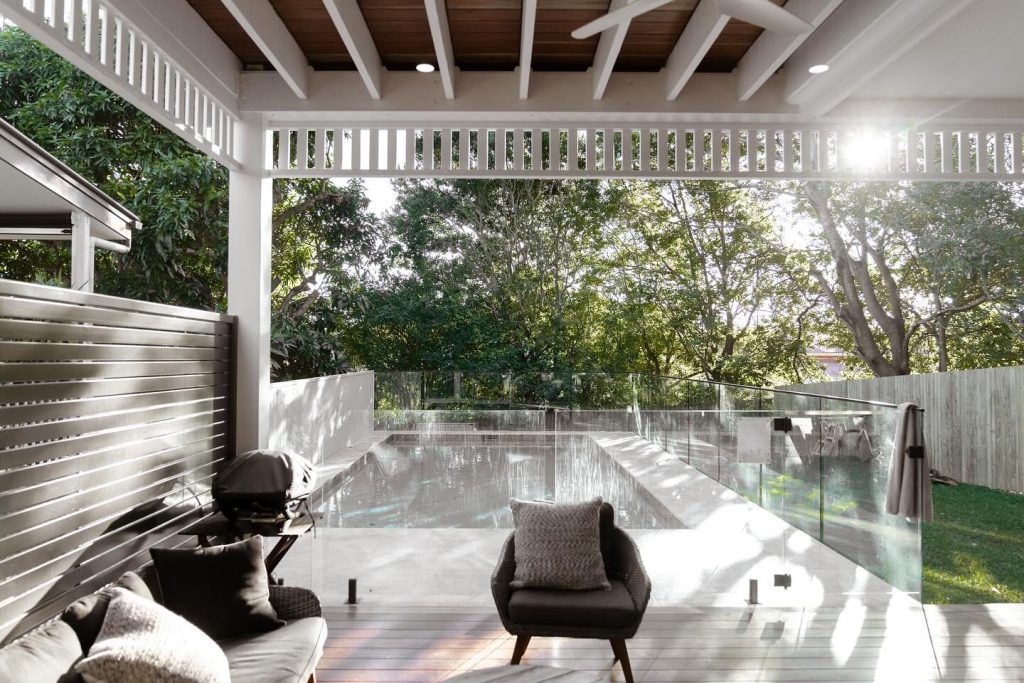
A case study of designing a house for comfortable ageing
John and Amy (anonymised) are a couple in their late 50s living in Queensland. Last year, they were building a new house for their retirement. Using the B4U Build tool, they added first-floor bedrooms to their house plans. While they are independent and mobile right now, they decided to prepare for future ageing needs. They added a structural foundation for a lift shaft as part of aging-in-place modifications. Even if they don’t need to install one today, they can easily install one when needed. The cost of adding the foundation for a lift later is far greater and requires major rework.
Mistake 7: Prioritising aesthetics over structural quality
Many homeowners spend heavily on premium finishes while neglecting the underlying quality of the home itself. Visible upgrades like good cabinets are easy to get excited about. But this means homeowners are trading long-term durability and structural integrity for short-term aesthetic upgrades.
Jared Kemp
Building Manager and Director of RedKem ConstructionsWhat you can do
- If you’re working with a tight budget, cut back on cosmetic finishes and allocate spend to home construction costs on quality first.
- Visit display homes, choose every finish (tiles, tapware, benchtops, flooring, paint colours, cabinetry). Document all selections in writing so that they cannot be changed later.
Mistake 8: Making changes after construction starts
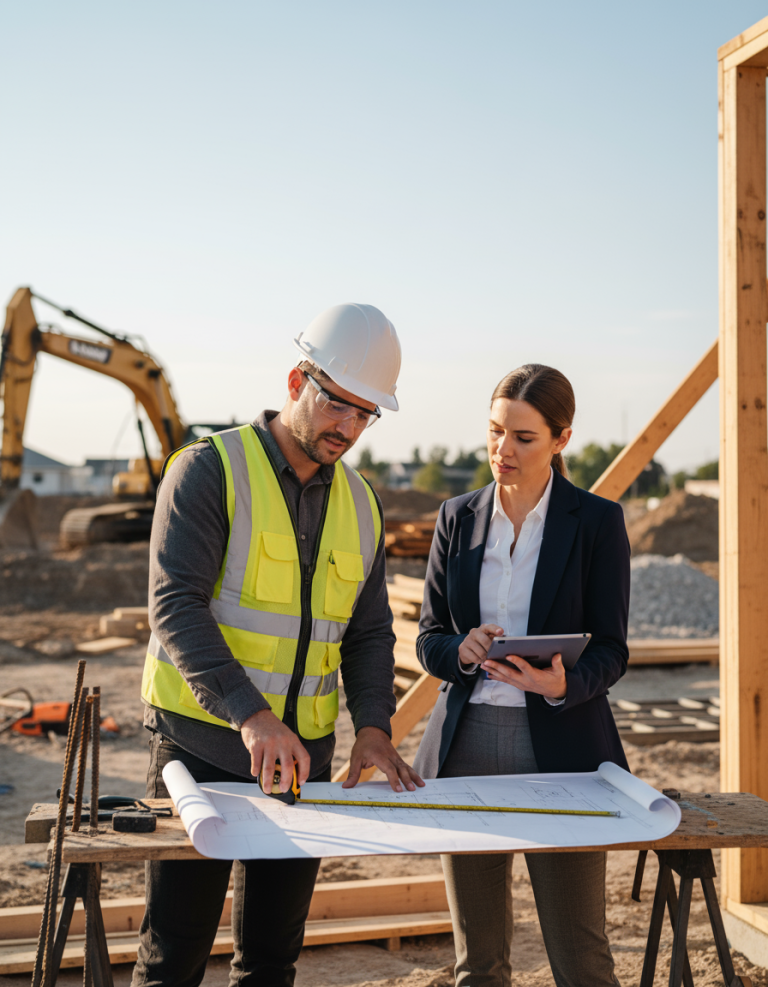
Emotional decision-making during the build can lead to changes becoming exponentially more expensive once construction begins. Here’s a rough guide to the cost at each stage:
| Timing of Change | Cost Impact |
| Design stage (when you’re working on house plans) | Standard cost |
| After contract is signed | 10-20% above the estimated cost |
| During construction | 2-3x the standard rate |
| After the completion stage | 5-10x the standard rate to rip out and redo |
What you can do
- Implement a “design freeze”. This means locking in all selections before you sign the building contract.
- Use B4U Build’s new house construction cost estimator to model different room configurations and specification levels at the planning stage when changes are more affordable.
Mistake 9: Not stress-testing the budget
Buyers underestimate how common delays or variations are. Some common reasons include rainy weather, natural disasters, unexpected material shortages, site access problems, or trade scheduling issues. The financial consequences of delays extend beyond the build, including double rent or mortgage payments, storage costs, and the emotional strain.
How to avoid it
- Run a financial stress-test before signing anything. We recommend mapping out your month-by-month cash flow if the build runs 6 months over schedule and 15% over budget. If these numbers break your budget, your buffer is insufficient.
- Arrange your accommodation well in advance and build double-rent or mortgage-overlap costs (at least 3–6 months) into your financial plan from day one.
- Plan contingency funds according to your project. Here’s what the B4U Build team recommends:
Jared Kemp
Building Manager and Director of RedKem ConstructionsMistake 10: Poor communication with your builder
Poor communication is a common cause of unexpected costs. One of the most common points of communication failure is verbal agreement with site supervisors that contradicts the contract or plans. Apart from confusion and stress, there are also financial consequences. Undocumented changes are often charged as variations at builder rates with no ability for the homeowners to dispute the cost or timeline.
What you can do
Clear communication protects both your budget and your relationship with the builder.
- Confirm every change, query, or agreement in writing. This can be in an email or in a formal variation document.
- Document site visits and any discussions or decisions taken on the site.
- Understand the escalation process for disputes.
- Do thorough research into the builder. The B4U Build team recommends asking for references:
Jared Kemp
Building Manager and Director of RedKem ConstructionsProtect yourself through the building process
Each of these mistakes traces back to the same root cause: entering a building contract without independent knowledge or realistic cost expectations. The more information you have, the more control you’ll have over your project budget and outcome. You can freeze quotes, identify low provisional sums, and stress-test your budget against real numbers instead of hoping for the best.
With the right tools and independent advice in place before you start, you can protect your budget and build with confidence. Ready to understand what your home should cost? Use the B4U Build construction cost estimator to get an independent estimate before you sign with a builder.